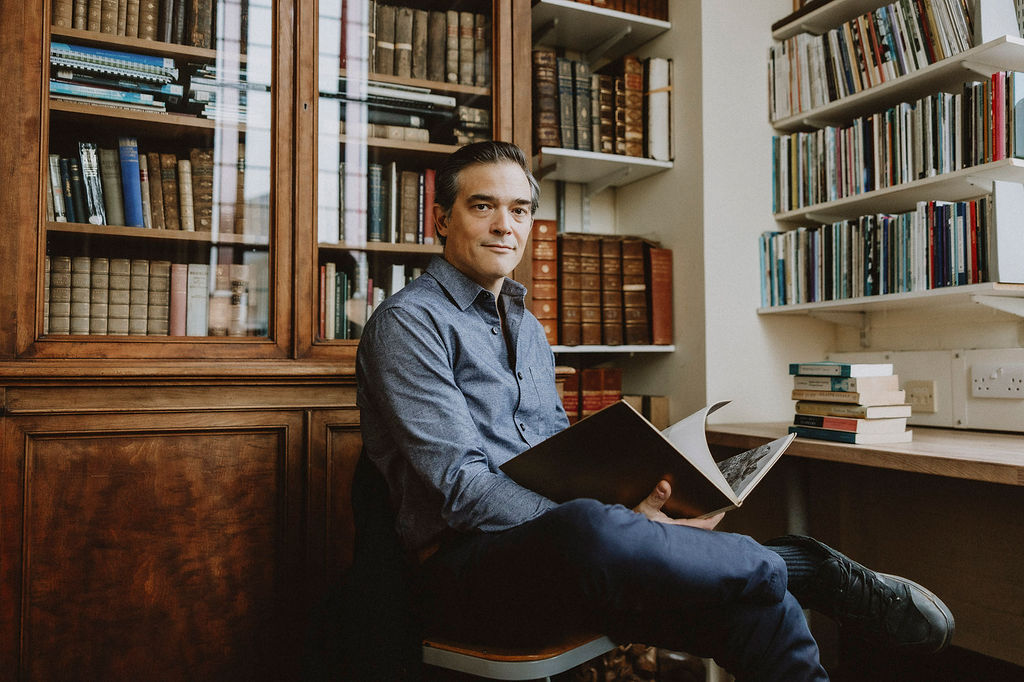
In conversation with:
CHARLES PIGNAL (OS 1996)
Charles Pignal founded the literary platform Lit With Charles by accident. It has grown into a space dedicated to promoting reading through book reviews and author interviews across all genres of literature. Charles traces his enduring passion for books back to his years at Sevenoaks.
“I had some great English teachers who really nurtured my love of reading. One teacher, Mr Scouse, added a very human dimension to reading and a philosophical angle to thinking about storytelling. He helped deepen my passion for books.”
What is the origin story of your literary platform, Lit With Charles?
In early 2020, I was COVID patient number 113 in Singapore, spending more than 40 days in isolation as the world began to shut down. My real-time updates shared on Instagram quickly drew global attention at a moment when much of the West was still trying to grasp the scale of the pandemic. What began as first-hand COVID reporting soon intersected with something that had started months earlier: short, personal book reviews originally shared with a small circle of friends. As my Instagram account grew, followers stayed not only for the news, but for the books and the conversations they sparked. That unexpected community became the foundation for a broader creative platform, leading organically to filmed content, my podcast and a Substack newsletter.
Are there any experiences or memories from Sevenoaks School that shaped your love of reading and storytelling?
Absolutely. Sevenoaks School was totally central to this passion for reading. I was already a very big reader when I arrived, but I had some great English teachers who really nurtured my love of reading. I remember specifically one teacher called Mr Scouse. He added a very human dimension to reading and a philosophical angle to thinking about storytelling. He helped deepen my passion for books. I often think back to my days at Sevenoaks School and how they really helped with my habit.
Was there a particular book or author that stuck with you during those school years?
Yes. The book was Heart of Darkness by Joseph Conrad. I remember detesting every single second that I spent reading that book. It was dense, it was hard, very difficult.
But I got to the end of the book and understood the themes Conrad was trying to explore how we operate as humans, how some people may behave when there’s no legal framework, and how colonialism in Africa provided that environment. I remember thinking that’s a really fascinating, fundamental question about humanity.
I understood that it required slogging through this very difficult book that I really hated in order to reach this perspective. That was the first time I understood that sometimes, if you want to read a book that approaches big themes and big questions, you must suffer. There’s a payoff at the end.
Still today, if I’m reading a book by a difficult author like Faulkner, I think back to that original lesson of Joseph Conrad: if you persist, you’ll get some huge payback in terms of thinking about things that are larger than your current environment.
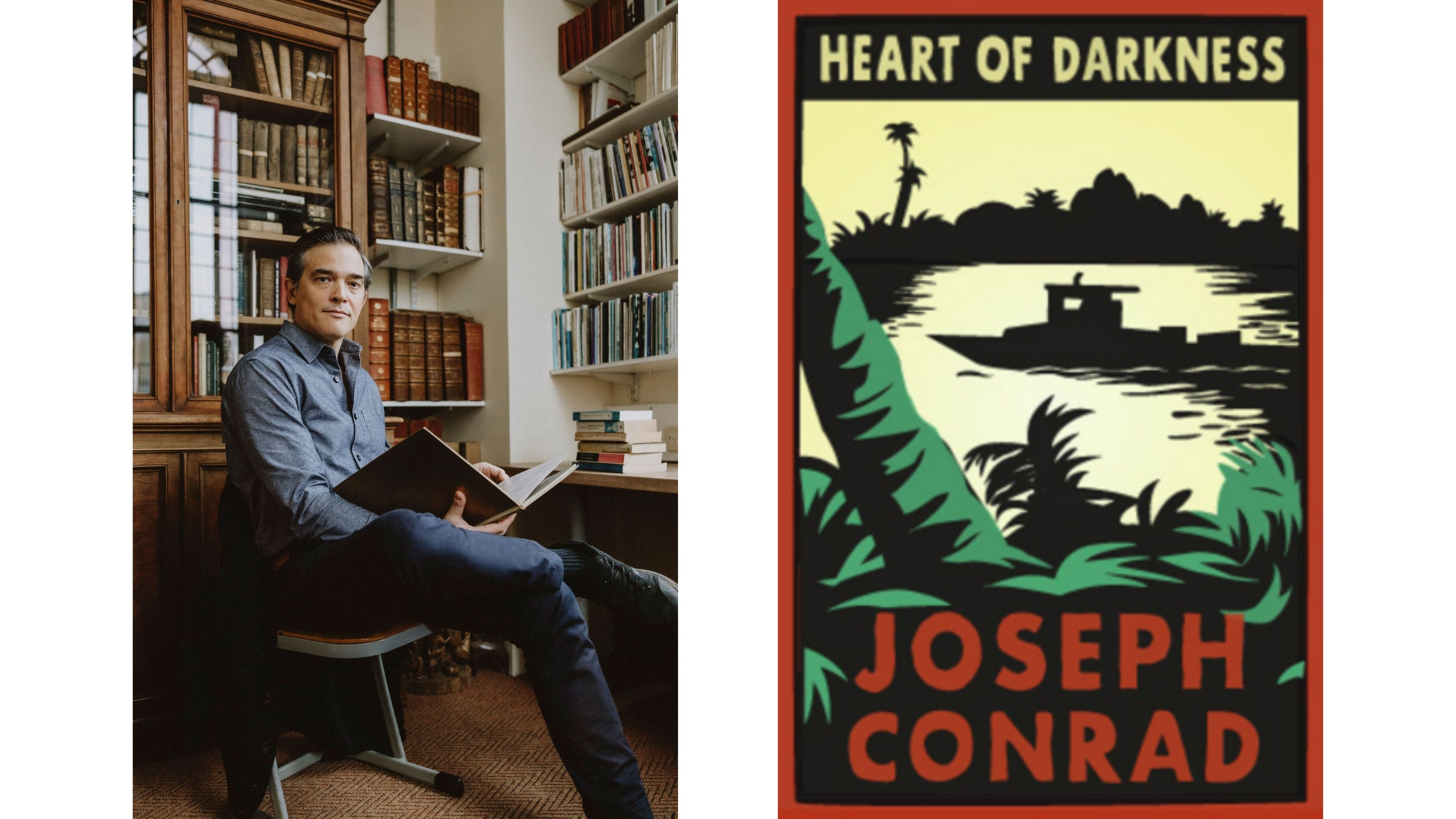
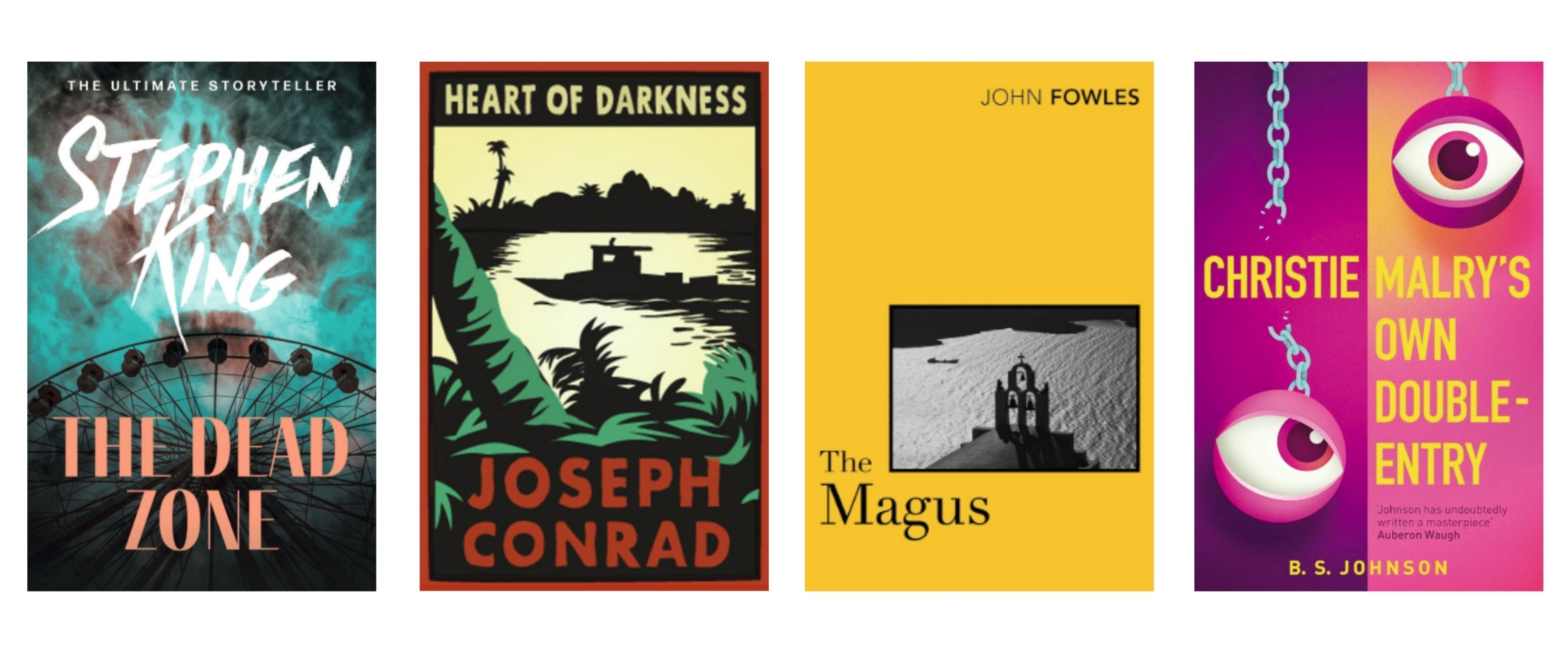
In your podcast interviews with authors, you ask them to list the four books that have influenced their lives and shaped their work. What were your four books?
The first book was The Dead Zone by Stephen King. Stephen King was my first bridge into something beyond childhood reading. It was kind of goodbye to Charlie and the Chocolate Factory and hello to a slightly more grown-up world. The Dead Zone deals with questions around morality and responsibility, and it features a political candidate who is very reminiscent of Donald Trump. Stephen King kind of called it.
The second book was Heart of Darkness as mentioned above.
The third book was The Magus by John Fowles, which is my favourite novel of all time. It takes place on a Greek island, and I read it while on holiday on that island. It illustrates my philosophy that one should always try to read as locally as possible. It really enriches the experience.
The fourth book was a very unknown book called Christie Malry’s Own Double-Entry by B.S. Johnson. It’s very small, and the point is that you should always try to read off the beaten track and find gems that are undiscovered and speak with an alternative voice.
 Has that inspired the way you approach the books you read and the authors you interview?
I try to be as eclectic and diverse as possible in my reading. With the IB in English, we were reading internationally, across different countries and eras, and that’s a philosophy I try to keep. I try to surprise my community with books that are always very different from the previous book I’ve read.
How has your approach evolved since posting content online?
It’s encouraged me to investigate books I might not necessarily have read. I look at my reading list and think, I’m missing something Latin American, or African, or by an LGBTQ author. I don’t want to stay in a world of dead white male authors, although that was part of my journey when I was younger. I encourage people to go outside their comfort zone and discover authors with different voices and themes.
From the authors you’ve interviewed, what insight about writing has surprised you?
One insight keeps coming up: permission. Authors often say, “This book gave me permission to do this.” We underestimate the leap it takes for someone to believe they have legitimacy as a writer. Very often authors tell me they didn’t dare do something until they read a book that showed them it was possible. The doubt is resolved by seeing someone else do something brave.
How do you balance depth with the quick format of social media?
I opened different channels for longer form content, like the podcast and the newsletter. But I’ve come to appreciate the challenge of expressing something meaningful in three minutes or less. There’s something noble in being able to distil a fundamental idea and express it concisely. It’s a lot harder to comment on Proust in two minutes than in 2,000 pages. I like that exercise of distilling the essence while keeping excitement and depth.
How do you see your platform contributing to the cultural conversation around reading?
I want to encourage and promote reading and get people excited about books. I’m not a critic; I’m a reading promoter. At the same time, I want to get people off the beaten track. There’s a lot of hype and marketing in literature. The books on bestseller lists don’t need my help. I want to draw attention to books that are older, that have stood the test of time, or that people may have forgotten. It’s about balance: reading what’s part of the immediate cultural conversation and remembering authors and books from the past.
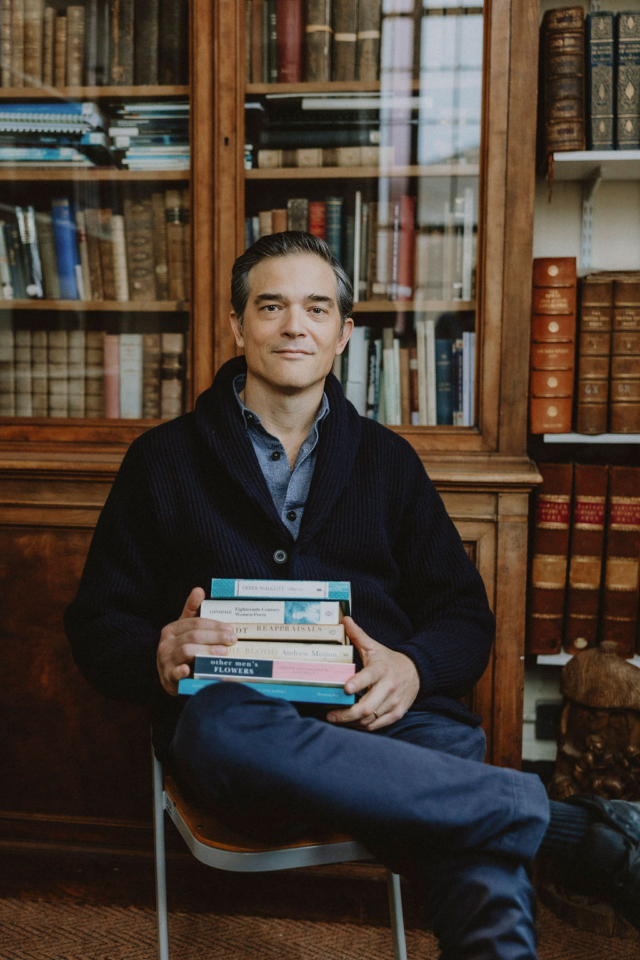
If you could interview any author no longer with us, who would it be?
George Orwell. It would be fascinating to get his insights on political systems, liberty, freedom, and social issues today. He captured critical points about political and social systems in ways that were incredibly simple and powerful.
Outside the literary world, what fuels your creativity?
I’m obsessed with crosswords. I do the New York Times crossword religiously and British cryptic crosswords. I’m totally obsessed with tennis, and I also really enjoy backgammon, which balances luck and strategy.
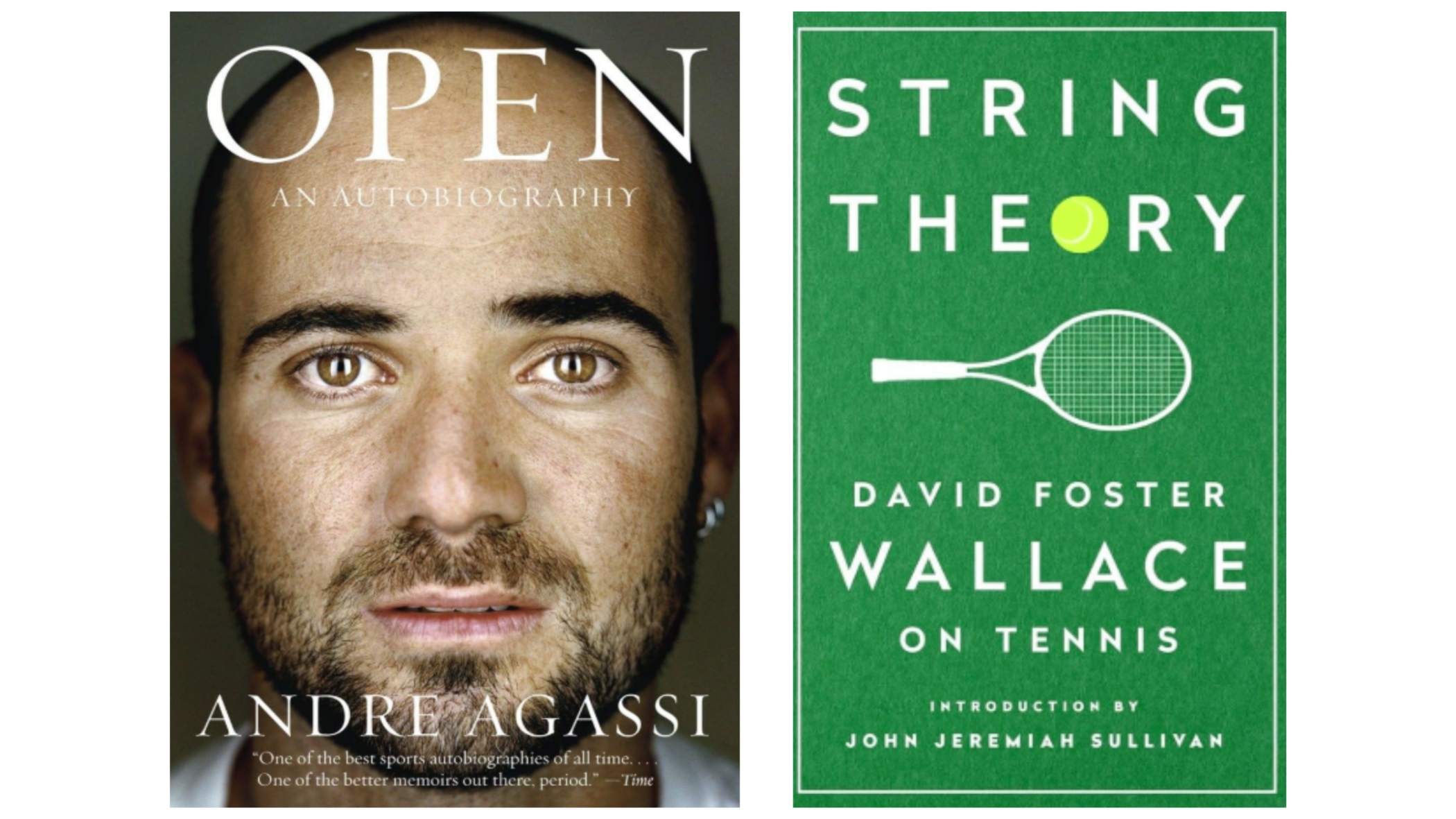
One of my favourite books is Andre Agassi’s autobiography. Beyond tennis, it’s a touching, powerful story of a life spent in competition and self-introspection. One of my favourite authors of all time is David Foster Wallace, who also wrote brilliantly about tennis. If I can find tennis-related literature, I gravitate towards it.